Avoid food waste and waste from plastic packaging

• Canadian households waste about 79kg of food per person per year, of which about 60% is avoidable.

• Consciously buy the amounts you need and plan meals so food is eaten before it goes bad.

• Store food properly and better understand “best before” and “use by” dates so that consumable food is not pre-emptively tossed.

• A large amount of food packaging is made from plastic and most plastic is made from fossil fuels. Find out more about reducing plastic use here.

• Bring re-useable shopping and vegetable bags or baskets.

• Choose glass bottles and jars over plastic ones.

• Shop at zero waste stores.

Eat less meat

Plant-based diets are the most sustainable and climate friendly. However, you don’t have become a vegan to have a positive climate impact.

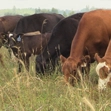
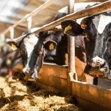
• Eat less Beef. Beef is by far one of the most carbon polluting foods in our diets. Cows release methane from burps and farts and from their manure. Crops grown just to feed cows are resource and greenhouse gas intensive.

Beef from the cows raised in the Amazon is particularly damaging; cattle ranching is one of the biggest threats to the Amazon rainforest, one of the world’s most critical carbon sinks.  

• Choose sustainably sourced seafood.  Some seafood farming (for Tiger prawns, shrimp, and lobster) destroys mangrove forests, which, like the Amazon rainforest, are important carbon sinks.

• Shift to more of a plant-based diet. Plant-based diets, including plant-based sources of proteins, are healthier, more affordable and are more climate-friendly.

Learn more about the carbon footprint of foods here.

Choose sustainable version of food products

• Buy local. Supporting local farmers increases Canada’s food security and affordability. Locally grown food is also typically more fresh because it doesn’t have to travel as far to get to you, therefore using less fossil fuels for transport.

• Buy in-season. While most foods are not transported by air, some fruits and vegetables, like berries and asparagus, need to be air-freighted when out of season, which dramatically increases their fossil fuel use from transport. Enjoy these foods fresh when in season and find substitutes or frozen/canned options when out of season.

• Choose products that use sustainable palm oil. Palm oil farms may be grown on converted peat lands which are important carbon sinks. Palm oil is used in many food and non-food products. Choose sustainable options or alternatives.

Grow a Vegetable Garden

• It's easy, fun, provides fresh delicious food and can be big or small, planted in pots/containers, raised beds, or a ground level plot and can have as little or as much variety as space, time, and preferences dictate.


Quick tips:

Produce Icon with Carrot and Apple

Buy unpackaged produce whenever possible and bring your own re-usable bags rather than using the plastic ones at the store — or don't use a produce bag at all.

Reusable Shopping Bag Icon

Make sure you put your re-usable bags in your car or by the door so you don't forget them.

Some Stats

We are not on track yet but the shifts are happening in Canada and around the globe.

These include:

• 70% of Canadians say they seek foods with environmental sustainable production.

• 80% of Canadians say they are careful about the way they buy and prepare food to minimize food waste.

• 36% of Canadians say they switched food products for sustainability reasons.

Common Myths and Barriers

It's impossible to get enough protein without eating meat

Nutritionists say it’s not only possible to get enough protein on a plant-based diet—but eating a lot more of it has some distinct advantages.

Plant-based protein sources are abundant, healthy, delicious, and more often than not, inexpensive. There are plenty of tasty new and traditional recipes that are packed with protein and contain no meat at all.

Foods with high amounts of protein include:
• Seitan — 25g of protein per 100g
• Soybean (ie Tofu, Tempeh, Edamame) — 12–20g of protein per 100g
• Lentils — 17.9g of protein per cup
• Green Peas — 8.58g of protein per cup
• Chickpeas – 21.3g of protein per cup
• Quinoa – 8g of protein per cup
• Beans
  - Pinto Beans — 15.4g of protein per cup
  - Mung Beans — 14.2g of protein per cup
  - Fava Beans — 12.9g of protein per cup
  - Lima Beans — 11.6g of protein per cup
• Brussel Sprouts — 5.64g of protein per cup
• Pistachios & Almonds — 5.31g of protein per cup
• Avocado — 4g of protein per medium avocado
• Hemp Seeds — 3g of protein per tablespoon
• Broccoli — 4–5g of protein per stock

Eating more plant protein is important—but not just because of protein alone. Although this nutrient is essential for overall health, "the vast majority of Americans meet and exceed their protein intake requirement and there are only rare cases of protein deficiency in the general population—even among vegetarians and vegans."

Plant sources of protein also contain plenty of other nutrients such as magnesium, copper, manganese, selenium, riboflavin, and vitamins A, C, K, and E—vitamins and minerals that are often missing from animal proteins.

Plant-based diets are more expensive

When swapping traditional meat and dairy products for everyday plant-based staples like beans, grains, and vegetables, grocery spending actually goes down, not up.

While it varies by region, data shows that consumers can save 16–40% on groceries with whole-food plant-based diets and that vegetarians tend to spend $11–19 less each week than meat-eaters on average.

The perception that plant-based diets are more expensive is only true if the diet contains large quantities of alt-dairy and alt-meat products. When people hear ‘plant-based’ they tend to compare a $7 plant-based burger with $5 ground beef instead of $1.50 cans of beans or $2 bags of lentils.

According to data from Statistics Canada, the price of meat and dairy have gone up significantly more in the past decade compared to plant-based foods.

You have to give up meat or go vegan

While plant-based diets are better for the environment, going completely vegan is not the only way to live a greener life

Reducing your meat consumption in any way — whether you're eating one or two plant-based meals per week, cutting back on the amount of animal-based products you consume, or sticking to Meatless Mondays — is a sustainable act.

Research suggests that even if you change your diet in small ways and eat just a little less meat, you can contribute to large-scale environmental benefits.

Beef is the biggest contributor to carbon pollution so swapping beef for poultry, pork or fish can have an significant impact as well.

More myths and barriers here.