Heat Pump Icon

Install a heat pump

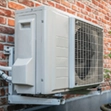
Heat pumps are an efficient, clean tech alternative to furnaces and boilers. They move heat rather than burning fuel and they can generate 2–4x the energy that they use depending on the type of heat pump.

Modern heat pumps are designed to work well in our cold Canadian climate.

Heat pumps also work bi-directionally so they function as heaters in winter and air conditioners in summer — all with the same piece of equipment.

Households can cut their carbon pollution from space heating by 70–90% simply by switching from gas, oil, or propane to a cold climate heat pump or adding a cold climate heat pump and using fossil fuels as a back for the coldest days (not necessary but a good option under some circumstances.)

Learn more about heat pumps here.

This is a critical part of the energy transition away from fossil-fuelled climate change.

Electrify everything

Many homes in Canada rely on fossil fuels for multiple appliances and pieces of equipment.

Switching to clean electricity will reduce your carbon footprint, improve indoor and outdoor air quality and can save you money.

Modern alternatives are energy efficient and often use smart/IoT connected technology as well. Look for energy star appliances and smart features when you shop.

Replace gas with heat pump and/or electric versions of the following:

• Water heater
• Stove (choose an induction cooktop!)
• Clothes dryer
• Lawnmower and other yard equipment
• Fireplace
• Pool heater

Home Efficiency Icon

Reducing energy use — efficiency and use habits

Your home loses heat in the winter and gains heat in the summer. How well it maintains your desired temperature depends on how energy efficient it is.

Older homes may benefit from some upgrades that help it maintain a desired temperature, like adding wall and attic insulation, air sealing, and, in some cases, upgrading windows and doors.

An energy audit can help you determine whether these changes will help you save energy and money or not.

You can also use less energy by:

• Purchasing energy efficient appliances and LED lights.
• Turning off and unplugging when lights and equipment are not in use.

And you can help decrease peak demand by using electricity at off-peak hours where possible. This lessens the need to supplement mostly clean grids with fossil fuels in some Provinces, such as Ontario.

House with Solar Panels Icon

Consider solar and battery storage

Solar can help you reduce your energy costs and reliance on the electricity grid. Clean, energy independence!

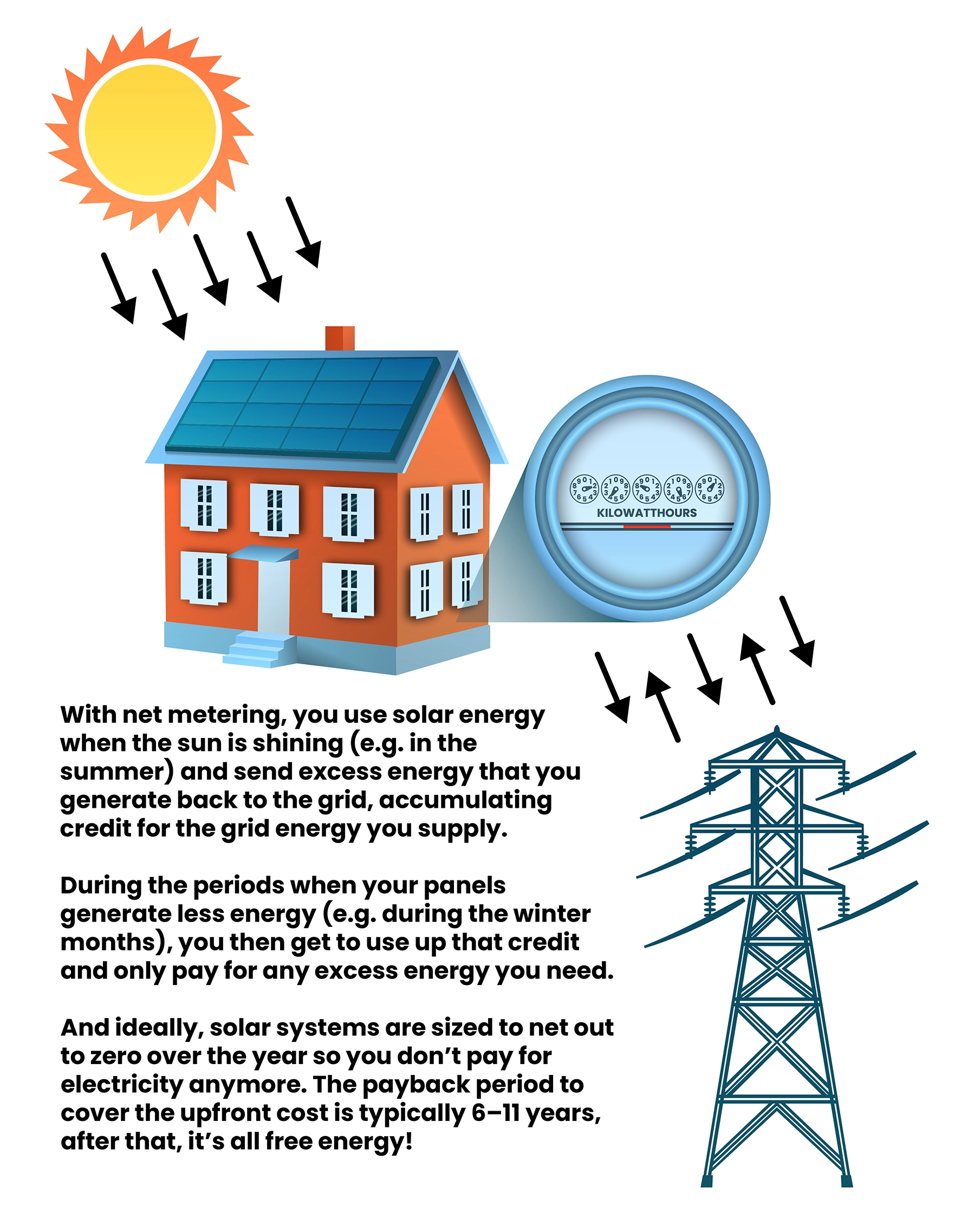
Urban solar installations often tie in to net metering programs.
Learn more about home solar here.

Battery storage is increasingly becoming viable for homeowners in Canada as well. They are great for emergency backup/power outages and can be used to manage peak use times if desired. Ask a solar provider for available options.

House with Fence Yard Icon

Naturalize your yard

• Grow vegetables in a garden or pots!

• Go manual or electric with lawn mowers and other yard tools.

• Plant a tree!

• Consider native grasses and perennials for some or all of your lawn area instead of sod. These require less maintenance, no pesticide, and require less water. Native plants also improve biodiversity and attract pollinators! And they create beautiful spaces to spend time in.

• Help water recharge the water table by adding a rain garden or infiltration system. Or maybe add a cistern or rain barrel to collect and conserve water. These actions can help conserve water and also help prevent flooding during storms.

Quick tips:

LED lights are more energy efficient and use less electricity.

Ceiling fans are more energy efficient than air conditioners and are great for when you need to cool specific rooms but not the whole house.

Air drying clothing with a clothesline or dryer rack can save up to 6% of our home's total energy use and help your clothes last longer.

Some Stats

• About 6% of Canadian homes have heat pumps as of 2023.

• In the Atlantic Provinces 30–50% of homes have heat pumps as of 2023.

• In Scandinavia, 50–65% of homes have heat pumps as of 2023.

• Heat pumps have out-sold gas furnaces in the U.S. every year from 2021–2025.

• 91% of heat pump owners in Canada would recommend them (Clean Energy Canada, 2026)

• In Australia, about 42% of homes have solar panels as of 2026.

• In the Netherlands, about 34% of homes have solar panels as of 2023.

• In Pakistan, a consumer-led solar revolution has installed 276GW in 2 years.

Common Myths and Barriers

Canada is alone in implementing heat pump technology

Many countries in Europe are eliminating fossil fuel-based heating systems as well as several jurisdiction in the U.S.

Many countries in Europe, including France, Ireland, the Netherlands and Norway, have bans on oil and gas boiler installation in new buildings.

Heat pump installations are rare in Canada

Canada is electrifying

Heat pump adoption continues to grow across the country and particularly in the Atlantic Provinces, Quebec and British Columbia, driven in part by government incentive programs.

Montreal, Vancouver, Victoria and other Canadian cities are also driving the transition with fossil fuel bans for new buildings.

Heat pumps always require a backup heating system

All electric cold-climate heat pumps suited for Canada have a built-in electric backup

The backup that supplements the heat pump on the handful of super cold days in the winter. The heat pump runs the whole time. The electric backup starts up to help out as needed.

While some systems incorporate supplemental electric resistance heating for extremely cold days, it's not a necessity for all installations.

Heat pumps don't work in cold climates

There are heat pumps specifically for cold climates

While standard air source heat pumps tend to lose heating capacity when temperatures dip below zero, cold climate air source heat pumps are specially designed to work in temperatures as low as -30°C.

Heat pumps dramatically increase electricity / energy bills

Monthly energy costs are similar to natural gas, particularly in an electrified home where you aren’t paying the fixed monthly fee for gas.

Switching from oil, propane, or electric resistance heating results in significant annual savings on energy in virtually all scenarios.

Heat pumps only work in new buildings

Millions of buildings of all ages have been fitted with heat pumps around the world

After conducting several case studies of old homes with air-source heat pumps, public body Historic England concluded in a report last year that these “work well in a range of different historic building types and uses.”

The Fraunhofer Institute in Germany carried out extensive field testing and monitoring of hear pumps in existing buildings and concluded that they worked reliably and without problems.

Natural gas is clean

Natural gas is a fossil fuel just like oil and coal

Natural gas, a.k.a. fossil gas, is not clean energy. It contains methane—a very potent greenhouse gas that escapes when natural gas is pulled from the ground, processed, and piped to homes and businesses. Methane leaks make fossil gas nearly as bad as coal in terms of its contribution to climate change. And natural gas releases carbon dioxide when it is burned, a less potent but far more persistent greenhouse gas.  Methane and carbon dioxide are the two largest contributors to the extreme temperatures and severe weather events caused by climate change.

Solar doesn't make sense because the sun doesn't always shine

Luckily, there are solutions for that

In most Provinces, net metering programs are in place so that homeowners get extra credit for producing more than they need when the sun is shining and can use that credit when they don't produce enough to cover their needs.

Residential battery solutions are also becoming increasing popular to store excess energy for a snowy day.

Solar is expensive and doesn't have an ROI

The average Canadian breaks even on solar panels in 6-10 years

After breaking even, you enjoy 15–20+ years of free electricity. Homes with solar sell at a premium as well.

Solar panels are not efficient

Solar panels ARE efficient.

Solar efficiency refers to the percent of sunlight a panel converts to electricity. Efficiency of modern panels is typically in the 20-25% range. That is plenty of sunshine even in Canadian climates. Most single detached homes can fit enough solar panels to cover 100% of a household’s annual electricity needs.

Solar panels are not recyclable

Solar panels last for 25 years and are 90% recyclable

In Canada and globally, innovation in solar panel recycling methods and infrastructure is ahead of the future need.

Solar panels are ugly

There are multiple styles to choose

Modern solar panels are sleek, thin and lie flat against a roof and there are multiple styles to choose from.

Solar panels don't make financial sense in a cold climate

You can calculate the payback period and ROI for solar based on where you live in Canada

Payback periods tend to range from 7-14 years. 25-year (life of the panels) ROIs for major Canadian cities, for example, fall within the 140-220% range.
Solar panels don't work in winter or colder climates

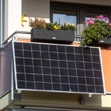
As long as your panels aren't covered in snow, they can generate plenty of clean energy

While it's true that solar production is higher in the summer due to longer daylight hours, that doesn't mean your system stops working when temperatures drop.

Since solar panels generate electricity from sunlight, not heat, colder temperatures actually improve efficiency—helping your system produce more power than you might expect.

Solar panels don't work on cloudy days

Solar panels continue to produce energy on cloudy days but at a reduced capacity

Productivity estimates also account for typical production in your geography, so account for typical cloud coverage.

‍

Solar panels require high maintenance

Solar panels require almost no maintenance

Dirt has little impact on productivity and it is rarely necessary to clean snow off panels as well. As with any equipment, it is possible that parts will need replacement but this is rare with current solar panel technology.

Critter guards are often installed to prevent wire damage from animals.

Solar panels take more energy to produce than they generate

Solar panels generate far more energy than the energy required to make, install, and recycle them

Studies estimated the energy output to be about nine times the energy invested in solar panels.

Solar panels will damage your roof

Solar panels that are installed properly will not cause roof problems

An initial roof assessment will ensure your roof is suitable for panels and will not be adversely impacted.

‍

You can't get insurance for a heat pump without a gas backup

You do not need a gas backup for insurance

All-electric cold climate heat pumps can heat efficiently down to -25°C or even -30°C for some models. An all-electric heat pump has built-in electric backup heating to supplement the heat pump’s output on extremely cold days. Gas backups are an option but not a requirement.

You need a gas backup for a heat pump

Gas backups are an option but not a requirement

Cold climate heat pumps can heat efficiently down to -25°C or even -31°C for some models. Cold climate heat pumps alone can handle home heating ~90% of the time and run in conjunction with supplemental electric backup ~10% of the time.

‍

You need expensive batteries to go solar

Most provinces in Canada have net metering programs

Most provinces in Canada have net metering programs where you can earn credits for extra solar energy created in the summer and use them up in the winter when you may not generate as much energy as you use.

More myths and barriers here.