Avoid Household Plastics

• Avoid plastic beverage bottles

• Avoid or cut back on packaged and ultra-processed foods.

• Use glass food storage containers instead of tupperware, stainless steel mixing bowls instead of plastic, natural parchment paper or beeswax instead of cling wrap, reusable silicone ziplock bags instead of plastic ziplocks.

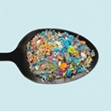
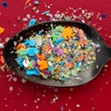
Avoid Plastic-Based Glitters

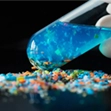
• Plastic-based glitters are tiny, colourful, highly reflective particles used in ink and adhesives, on clothing, jewellery, shoes, craft material, and more.

T-Shirt Icon

Avoid Plastic Clothing

• Polyester, Nylon, Acrylic, and Elastane are all plastic! Swap for organic fabrics like hemp, organic linen, recycled cotton and wool, and cork.

• Avoid fast fashion. Embrace slow sustainable fashion. Buy clothes that last and prolong the life of the clothes you already own.

• Go to Our Clothing for more information.

Recyclable Symbol Icon

Reduce Yard Plastic

• Do not install astroturf in your yard.

• Buy yard furniture made of wood or metal instead of plastic.

• Avoid the use of garden accessories made of plastic.

Quick tips:

Zipbag Icon

Use re-usable zip bags, cloth food covers, and/or bees wax to wrap food/dishes instead of ziplocks or clingwrap.

Teabag Icon

Use loose leaf tea in a steal or silk infuser or source tea bags that are made from natural fibres such as paper, cotton, or corn.

Avoid melamine sponges a.k.a. “Magic Erasers”

Don't microwave plastic.

Minimize dust in your home.

Use a wooden cutting board instead of a plastic one.

Use microplastic laundry filters when machine washing clothing to reduce microplastics from your clothes leeching into the environment and water supply. Here are some recommendations.

Some Stats

• Microplastics are found in drinking water worldwide.

• Humans may ingest upwards of tens of thousands of microplastic particles per year.

• As of 2022, around 77% of healthy adults tested were found to have microplastics in their blood.

• A 2024 study found microplastics in 98.9% of seafood samples.

• Microplastics have been found in 90% of seabirds.

Common Myths and Barriers

Microplastics are not harmful to humans

Links to human harm have been found but further research is still needed.

Microplastics can carry endocrine-disrupting chemical additives and animal studies link them to inflammation. Definitive cause-and-effect in humans is still being established, so most environmental-health researchers recommend reducing exposure where it is practical rather than waiting for certainty.

The strongest human-health signal found so far was in a 2024 study of 304 patients found that those with microplastics in their carotid artery plaque were about 4.5× more likely to have a heart attack or stroke, or to die, over the next ~34 months than those without.

Microplastics have been found all over the human body including the heart, brain tissue, blood, lungs, breast milk, and placenta.

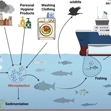
Microplastics are only found in the ocean

Microplastics are found everywhere

We encounter microplastics everywhere from trash, dust, fabrics, cosmetics, cleaning products, rain, seafood, produce, table salt, and more.

Microplastics are so abundant they have been detected in the human body, including in the blood, saliva, liver, kidneys, brain, reproductive organs, and placenta. Humans are estimated to ingest or inhale thousands of microplastics per day.

More myths and barriers here.