Rooftop Solar

The Canadian Renewable Energy Association has a great guide to help you go solar:

Go Solar Guide

Learn about
• How solar works
• Savings from solar
• Considerations for going solar based on your home, location, etc.
• How to choose an installer and what to ask them
• A directory of contractors

Don't forget to ask about rebates and incentives that may apply in your area.
Battery Backup

Battery storage is not required for “on-grid” homes because of solar net metering. However, they can be a great compliment to solar for supplying energy during power outages and to manage peak demand.

They also may qualify for incentives/rebates in your area. A solar vendor can help you assess whether battery storage makes financial sense in your circumstances.

This is an exciting area to watch of the next few years as solutions becomes increasingly affordable!

Plug-in Solar

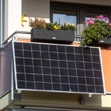
Plug-in solar is a do-it-yourself clean energy solution that not only help power appliances and devices in homes but lower electricity costs.

The electricity produced from the panel pushes electricity at a “slightly higher pressure” than the rest of the electricity coming in from the grid, allowing you to plug your solar panel directly into a regular wall socket.

This is another space to watch in Canada. It is not available just yet but it is being adopted in so many other places it is only a matter of time until we can have access to plug-in solar too!

Some Stats

• In Australia, about 42% of homes have solar panels as of 2026.

• In the Netherlands, about 34% of homes have solar panels as of 2023.

• In Pakistan, a consumer-led solar revolution installed 275GW in 2 years.

• China leads the world in distributed (rooftop) solar energy with 225GW of installed capacity as of 2023.

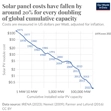
• Solar photovoltaic costs fell by 90% in the decade leading up to 2022. (ie. the cost of the panels, not permits, installation etc.)

Common Myths and Barriers

Solar doesn't make sense because the sun doesn't always shine

Luckily, there are solutions for that

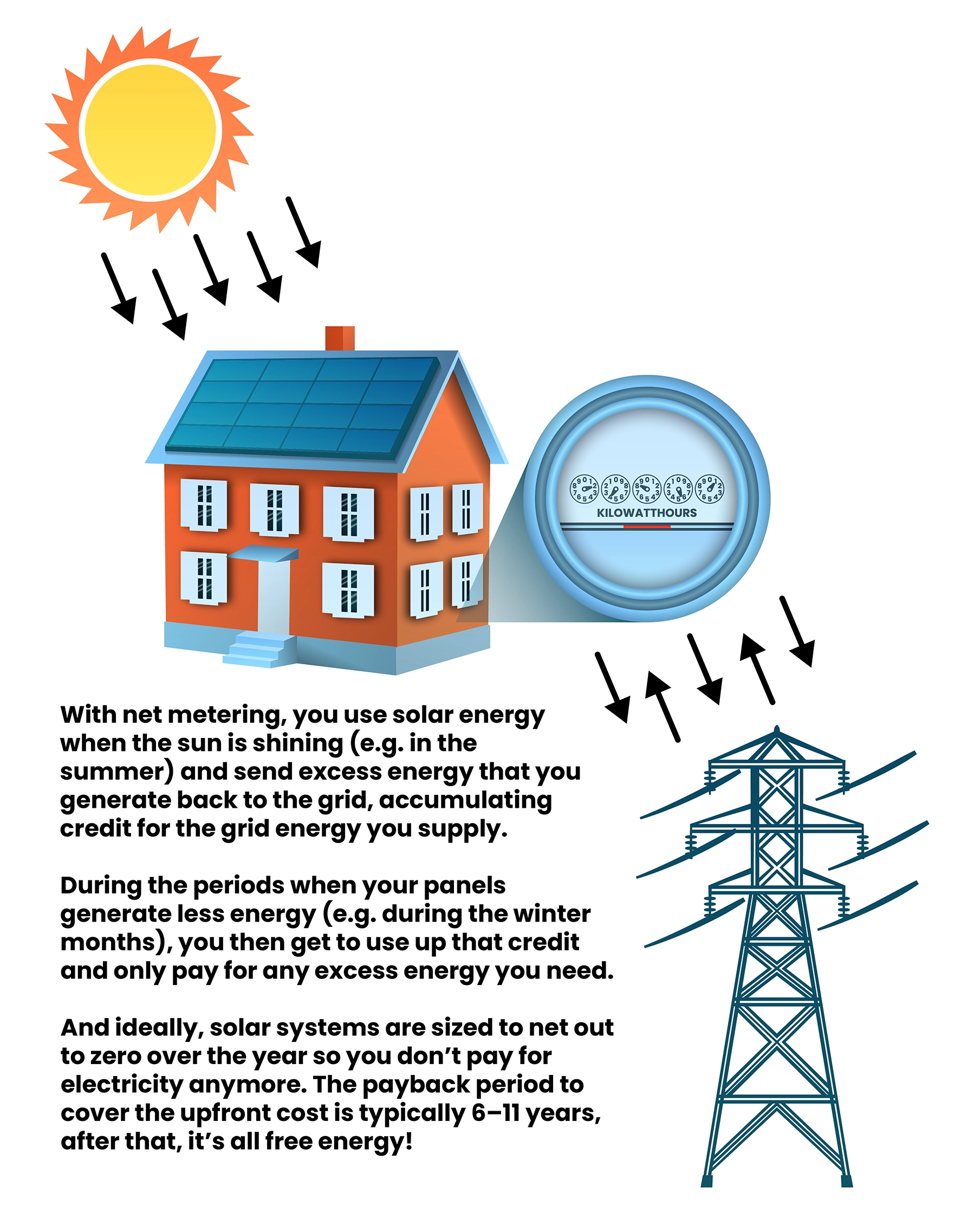
In most Provinces, net metering programs are in place so that homeowners get extra credit for producing more than they need when the sun is shining and can use that credit when they don't produce enough to cover their needs.

Residential battery solutions are also becoming increasing popular to store excess energy for a snowy day.

Solar doesn't work in Canadian climate

Solar panels perform exceptionally well in Canada.

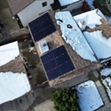
Despite common myths, solar panels perform exceptionally well in Canada. Cold temperatures actually increase the electrical efficiency of panels, and the reflection of light off snow (albedo effect) frequently enhances energy generation during winter months.
Solar is expensive and doesn't have an ROI

The average Canadian breaks even on solar panels in 6-10 years

After breaking even, you enjoy 15–20+ years of free electricity. Homes with solar sell at a premium as well.

Solar panels are not efficient

Solar panels ARE efficient.

Solar efficiency refers to the percent of sunlight a panel converts to electricity. Efficiency of modern panels is typically in the 20-25% range. That is plenty of sunshine even in Canadian climates. Most single detached homes can fit enough solar panels to cover 100% of a household’s annual electricity needs.

Solar panels are not recyclable

Solar panels last for 25 years and are 90% recyclable

In Canada and globally, innovation in solar panel recycling methods and infrastructure is ahead of the future need.

Solar panels are ugly

There are multiple styles to choose

Modern solar panels are sleek, thin and lie flat against a roof and there are multiple styles to choose from.

Solar panels don't make financial sense in a cold climate

You can calculate the payback period and ROI for solar based on where you live in Canada

Payback periods tend to range from 7-14 years. 25-year (life of the panels) ROIs for major Canadian cities, for example, fall within the 140-220% range.

Solar panels don't work in winter or colder climates

As long as your panels aren't covered in snow, they can generate plenty of clean energy

While it's true that solar production is higher in the summer due to longer daylight hours, that doesn't mean your system stops working when temperatures drop.

Since solar panels generate electricity from sunlight, not heat, colder temperatures actually improve efficiency—helping your system produce more power than you might expect.

Solar panels don't work on cloudy days

Solar panels continue to produce energy on cloudy days but at a reduced capacity

Productivity estimates also account for typical production in your geography, so account for typical cloud coverage.

‍

Solar panels require high maintenance

Solar panels require almost no maintenance

Dirt has little impact on productivity and it is rarely necessary to clean snow off panels as well. As with any equipment, it is possible that parts will need replacement but this is rare with current solar panel technology.

Critter guards are often installed to prevent wire damage from animals.

Solar panels take more energy to produce than they generate

Solar panels generate far more energy than the energy required to make, install, and recycle them

Studies estimated the energy output to be about nine times the energy invested in solar panels.

Solar panels will damage your roof

Solar panels that are installed properly will not cause roof problems

An initial roof assessment will ensure your roof is suitable for panels and will not be adversely impacted.

‍

You need expensive batteries to go solar

Most provinces in Canada have net metering programs

Most provinces in Canada have net metering programs where you can earn credits for extra solar energy created in the summer and use them up in the winter when you may not generate as much energy as you use.

More myths and barriers here.